Everyone thinks Emotional AI is about chatbots getting friendlier. They're missing the point entirely.
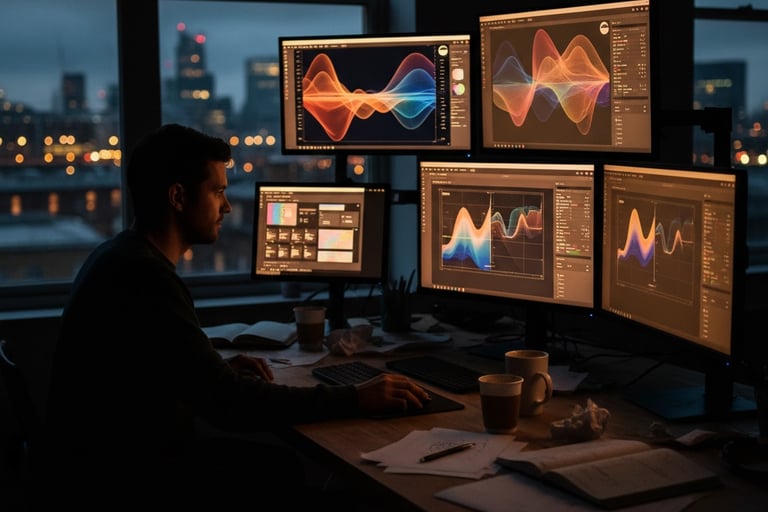
After three decades crafting experiences that move people, I've watched the industry obsess over foot traffic, dwell time, and social shares. Meanwhile, the actual emotional journey—the moment someone's perception shifts, the split second they connect with a brand—remains largely unmeasured.
Daniel Warwick
11/24/20255 min read
My post content
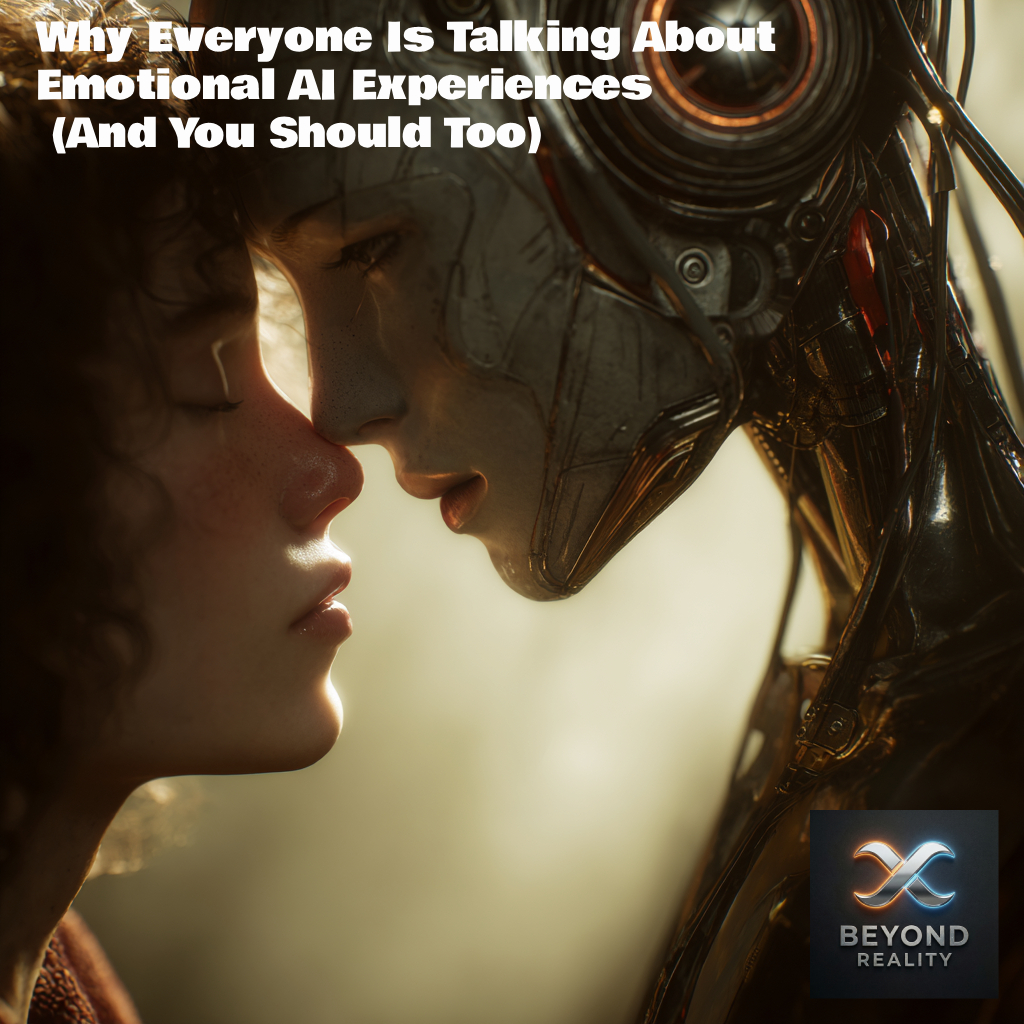
Everyone thinks Emotional AI is about chatbots getting friendlier. They're missing the point entirely.
The real revolution isn't happening in customer service departments or therapy apps. It's happening at the intersection where human emotion meets brand experience: and most agencies are still fumbling around in the dark.
The Observation: We're Measuring Everything Except What Matters
After three decades crafting experiences that move people, I've watched the industry obsess over foot traffic, dwell time, and social shares. Meanwhile, the actual emotional journey—the moment someone's perception shifts, the split second they connect with a brand—remains largely unmeasured.
Emotional AI changes that equation completely.
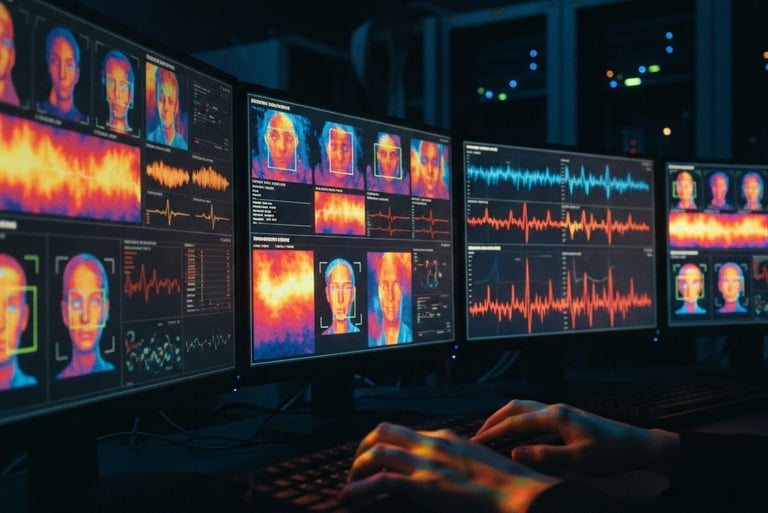
We're not talking about machines pretending to have feelings. We're discussing technology that can detect micro-expressions lasting 1/25th of a second, analyse voice stress patterns, and identify emotional states through keystroke dynamics. This technology processes emotional data faster and more consistently than any human observer ever could.
The numbers reveal why smart brands are paying attention:
• Over 50% of AI users already rely on emotional AI for wellbeing support
• 30% of younger demographics find AI conversations as satisfying as human interaction
• Multimodal emotional recognition (combining facial, vocal, and textual cues) achieves accuracy rates exceeding 85%
The Context: Why This Matters Now
In thirty years of production work, I've learned that the pause between presentation and applause reveals more about audience engagement than any post-event survey ever will. That micro-moment: when someone decides whether they trust your brand: happens faster than conscious thought.
Traditional experience measurement captures the aftermath, not the moment itself. We've been analysing the echo, not the sound.
Emotional AI allows us to capture those precise moments when connection occurs. When someone's shoulders relax during a product demonstration. When their voice pitch changes discussing your service. When their typing rhythm shifts whilst engaging with your content.
This isn't about replacing human intuition: it's about augmenting it with precision measurement.
The technology works by monitoring multiple data streams simultaneously:
Facial Recognition: Detecting the six universal emotions (happiness, sadness, anger, fear, surprise, disgust) plus complex states like engagement and confusion.
Voice Analysis: Measuring stress indicators, enthusiasm levels, and authenticity markers through vocal patterns.
Behavioural Tracking: Analysing interaction patterns, hesitation points, and decision-making rhythms.
Physiological Monitoring: Reading heart rate variations, skin conductance, and other stress indicators through wearable technology.
The Solution: How We're Applying Emotional Intelligence to Experience Design
At Beyond Reality, we've integrated emotional AI into every stage of our creative process. Not because it's trendy, but because it delivers measurable improvements in audience connection.
Pre-Production Research
We use emotion detection during concept testing phases. Rather than asking focus groups what they think, we measure what they feel. Facial coding reveals genuine reactions to creative concepts, identifying emotional triggers that drive engagement.
Live Experience Optimisation
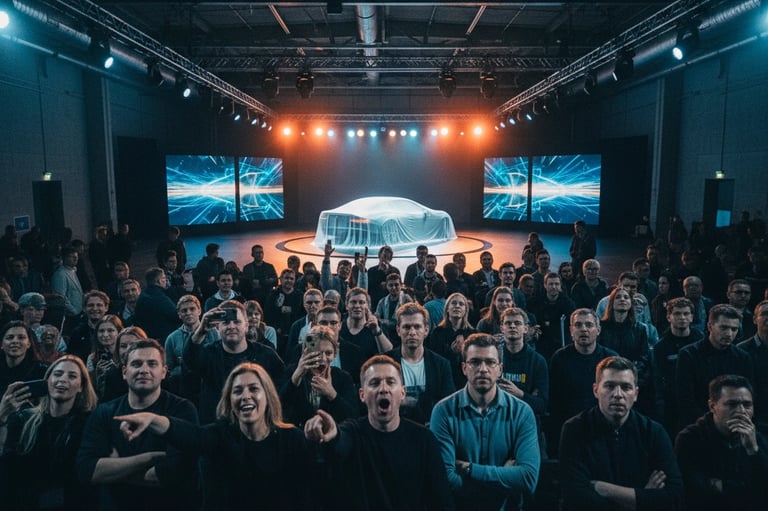
During events, we deploy ambient emotional monitoring. Cameras equipped with emotion recognition software track audience engagement in real-time. When energy drops in specific areas, our team receives immediate alerts to adjust lighting, audio, or content pacing.
Post-Experience Analysis
We correlate emotional data with traditional metrics, revealing which moments generated lasting impact versus superficial engagement. This creates feedback loops that improve future experiences.
Case Study: Transforming Brand Launches
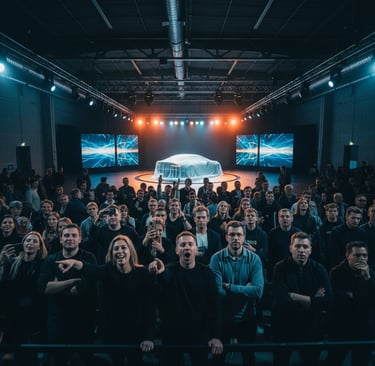
Recent work with a luxury automotive client demonstrates the power of emotional measurement. Traditional metrics showed strong attendance and social sharing. Emotional AI revealed something different.
The audience showed peak engagement during the vehicle reveal but experienced significant emotional drops during the technical specification presentation. Heart rate monitors confirmed audience stress levels increased when speakers used industry jargon.
We restructured the experience format, replacing technical monologues with interactive discovery stations. Emotional monitoring confirmed sustained engagement levels throughout the revised experience.
The result: 40% improvement in purchase intent scores and 60% increase in qualified leads.
The Practical Implementation
Implementing emotional AI doesn't require complete system overhauls. We start with three core applications:
Content Optimisation
Emotional analysis of existing content reveals which messages resonate versus which generate indifference. We test variations using micro-expression analysis, optimising every touchpoint for maximum emotional impact.
Experience Flow Design
We map emotional journeys through physical and digital experiences. High-stress points get redesigned. Emotional peaks get amplified. The result: experiences that feel effortless whilst delivering powerful brand messages.
Personalisation at Scale
Emotional profiling allows real-time experience customisation. Introverted visitors receive different interaction approaches than extroverted ones. Stressed participants get calming elements. Engaged audiences receive deeper content layers.
The Caution: Technology Serves Human Connection
Here's the critical distinction: Emotional AI doesn't replace human empathy; it amplifies our ability to respond empathetically at scale.
The technology excels at pattern recognition and measurement. It cannot replicate a genuine human connection. The goal isn't creating emotionally manipulative experiences. It's crafting authentic moments that resonate more deeply because we understand our audience better.
We've learned to combine AI insights with human expertise:
• Technology identifies emotional patterns
• Human creativity interprets those patterns
• Collaborative design creates authentic responses
• Continuous measurement refines the approach
What This Means for Your Brand
Emotional AI represents a fundamental shift from assumption-based experience design to evidence-based emotional engineering. Brands investing in this capability gain competitive advantages that compound over time.
The question isn't whether to adopt emotional AI: it's how quickly you can implement it effectively.
We're already seeing early adopters pull ahead. Brands using emotional measurement create experiences that feel more personal, more relevant, and more memorable. They build stronger connections because they understand their audiences at deeper levels.
The technology exists today. The applications are proven. The competitive advantage awaits.
The brands that master emotional AI will craft experiences that don't just capture attention: they capture hearts and minds with precision previously impossible.
Ready to explore how emotional intelligence can transform your next experience? Let's start measuring what truly matters.
Connect with us to discuss your emotional AI implementation strategy.